
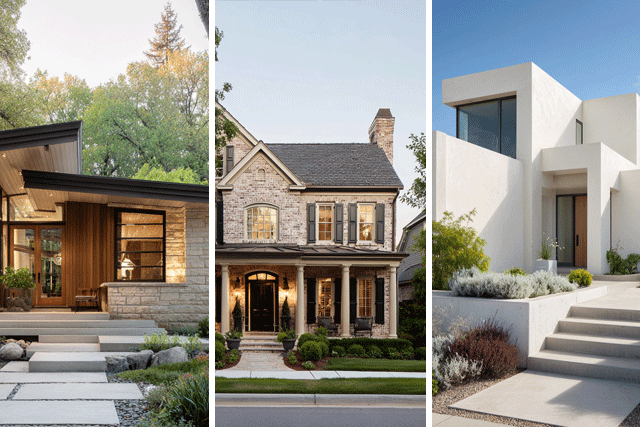
Architectural styles are more than visual trends they represent philosophies about space, structure, culture, and how people interact with the built environment. Some styles emphasize history and ornament, while others focus on simplicity and innovation. Three of the most influential styles that continue to shape design today are Mid-Century Modern, Traditional, and Minimalist architecture.
At Lilly Architects, we study architecture as a living language one that evolves while honoring its roots. Understanding these styles helps clarify how design choices communicate purpose, identity, and function across all types of spaces.
Mid-Century Modern Architecture
Mid-Century Modern architecture emerged in the mid-20th century as designers embraced new materials, open planning, and a strong connection between interior and exterior spaces. This style is known for clean horizontal lines, open layouts, large windows, and a functional, human-centered approach to design.
Rather than focusing on ornamentation, Mid-Century Modern design highlights form, proportion, and the honest expression of materials. Its clarity and warmth make it a timeless style that still feels relevant in contemporary architecture.
Traditional Architecture
Traditional architecture is rooted in classical design principles that emphasize symmetry, proportion, craftsmanship, and decorative detail. This style draws inspiration from historical building traditions and cultural heritage, creating spaces that feel familiar, dignified, and enduring.
Unlike modernist movements, traditional architecture celebrates ornamentation, natural materials, and time-tested construction methods. It often features pitched roofs, defined facades, layered textures, and carefully detailed elements that reflect a deep respect for history and craftsmanship.
Traditional architecture is valued for its sense of permanence and emotional connection, offering a visual language that feels grounded and culturally rich.
Minimalist Architecture
Minimalist architecture is built on the principle of reduction removing the unnecessary to reveal what truly matters. This style focuses on clean forms, restrained material palettes, and carefully balanced proportions.
Rather than appearing empty, minimalist architecture is intentional and refined. Every detail serves a purpose, allowing light, space, and structure to take center stage. The result is a calm, focused environment that emphasizes clarity and function.
Minimalism often incorporates natural light, open layouts, and simple geometry to create spaces that feel balanced and peaceful.
Comparing the Three Styles
Mid-Century Modern architecture emphasizes openness and human-centered design. Traditional architecture highlights heritage, ornament, and symmetry. Minimalist architecture prioritizes simplicity, clarity, and restraint.
Each style represents a different design philosophy, yet all three share a commitment to meaningful, purposeful architecture. Understanding their differences helps designers and clients make intentional choices that reflect identity, context, and values.
Can These Styles Be Combined?
Yes. Contemporary architecture often blends elements from multiple styles. A design may use the structural clarity of minimalism, the warmth of traditional materials, and the openness of Mid-Century Modern layouts. When thoughtfully combined, these influences create architecture that feels both timeless and forward-looking.
At Lilly Architects, we draw inspiration from multiple styles to create spaces that are cohesive, expressive, and deeply personal.
Final Thoughts
Architecture is a form of storytelling. Whether inspired by Mid-Century Modern innovation, Traditional heritage, or Minimalist clarity, each style offers a unique way to shape the built environment.
Understanding these styles allows you to make confident design decisions that align with your vision, values, and long-term goals. Thoughtful architecture is not about choosing a trend it is about choosing a philosophy that resonates with you.
Frequently Asked Questions
- Is Mid-Century Modern still relevant today?
Yes. Its emphasis on function, openness, and connection to nature continues to influence modern design. - Does traditional architecture mean outdated design?
No. Traditional architecture evolves while preserving classic design principles, making it timeless rather than old-fashioned. - Is minimalist architecture cold or sterile?
Not when done well. Minimalist design creates calm, purposeful environments that feel balanced and intentional. - Can different architectural styles be blended successfully?
Yes. When carefully designed, blended styles can result in architecture that feels unique and harmonious. - Which style is best?
There is no single best style. The right choice depends on the context, purpose, and values of the project.