
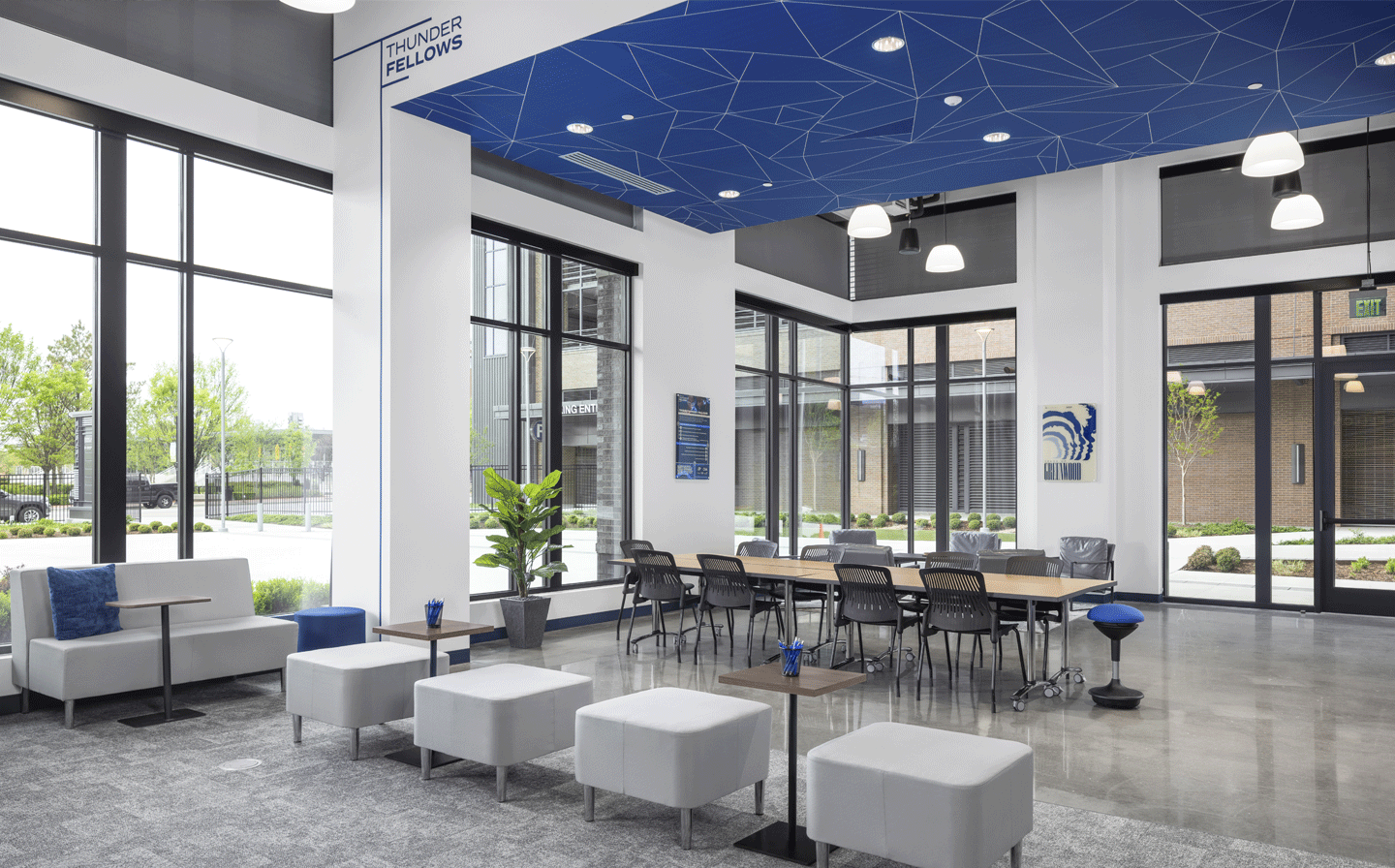
Planning a commercial building in Tulsa is a major investment that requires careful coordination, technical expertise, and a clear understanding of local regulations. Whether you are developing an office, retail space, restaurant, medical facility, or mixed-use building, working with a qualified commercial architect is one of the most important steps in ensuring your project succeeds.
Commercial architecture involves more than designing a functional space. It includes zoning compliance, building code coordination, accessibility planning, and collaboration with engineers and contractors. An experienced commercial architect helps guide your project from concept through construction while protecting your timeline, budget, and long-term investment.
Understanding the Role of a Commercial Architect
A commercial architect is responsible for planning and designing buildings used for business or public purposes. Their role begins in the early planning stages, where they help define project goals, evaluate the site, and develop a design strategy that aligns with your operational needs.
They prepare detailed construction drawings, coordinate with structural and mechanical engineers, and ensure the design meets safety codes and accessibility requirements. Throughout construction, the architect also helps answer contractor questions and reviews progress to ensure the building is constructed according to the design.
This comprehensive involvement helps reduce errors and supports a smoother building process.
Start with Clear Project Goals and Budget
One of the most important steps in planning a commercial project is defining your goals. This includes identifying how the building will be used, how much space is required, and what experience you want to create for employees, customers, or tenants.
Your architect will also help you establish a realistic budget based on building size, complexity, and construction conditions in Tulsa. Early budget planning allows the design to align with your financial expectations and helps prevent costly changes later.
A well-defined plan provides a strong foundation for the entire project.
Evaluating and Selecting the Right Site
Site selection plays a critical role in commercial architecture. Factors such as zoning regulations, traffic access, visibility, parking requirements, and utility availability all influence design and feasibility.
Tulsa’s zoning codes regulate how properties can be used and what can be built. A commercial architect reviews these requirements early to ensure your project complies with local regulations. Site analysis also helps identify potential challenges, such as drainage, grading, or access limitations, before design begins.
Navigating Permits and Regulatory Approvals
Commercial projects in Tulsa must meet local building codes, fire safety requirements, accessibility standards, and zoning regulations. The permitting process ensures your building complies with these standards before construction begins.
Architects prepare the documentation required for permit approval and coordinate with city officials during plan review. This process helps identify any compliance issues early and ensures your project moves forward without unnecessary delays. Professional guidance during permitting is essential for keeping your project on schedule.
Designing for Function, Efficiency, and Experience
Commercial buildings must support daily operations while creating a positive environment for occupants and visitors. Architects design spaces that improve workflow, efficiency, and comfort.
This includes planning circulation paths, optimizing natural light, and integrating building systems effectively. For example, thoughtful design can improve employee productivity, enhance customer experience, and support business growth. Architects also consider long-term maintenance and operational efficiency when selecting materials and systems.
Coordinating with Engineers and Consultants
Commercial projects require collaboration with multiple professionals, including structural engineers, mechanical engineers, electrical engineers, and civil engineers. Each plays a role in ensuring the building performs safely and efficiently.
The architect coordinates these disciplines and integrates their work into a unified design. This coordination helps prevent conflicts during construction and ensures all systems function properly together. Strong collaboration improves overall project quality.
Supporting the Construction Process
The architect’s role continues after construction begins. During construction, architects review progress, answer contractor questions, and help resolve unexpected issues.
This involvement ensures the design is executed correctly and helps maintain quality standards. Regular communication between the architect, contractor, and owner reduces misunderstandings and keeps the project on track. Construction oversight helps protect your investment.
Planning for Long-Term Value and Performance
Commercial buildings are long-term assets, and thoughtful design contributes to their lasting value. Architects consider durability, energy efficiency, and flexibility to ensure the building performs well over time.
Energy-efficient design can reduce operating costs, while adaptable layouts allow the building to respond to future business needs. A well-designed commercial building supports business success and retains value for years to come.
Why Local Experience in Tulsa Matters
Tulsa has specific zoning regulations, climate considerations, and construction conditions that influence commercial architecture. Architects with local experience understand these factors and can design accordingly.
They are familiar with city approval processes, local contractors, and regional construction practices. This knowledge helps improve efficiency and reduces the risk of delays. Working with a local commercial architect ensures your project reflects the needs of both your business and the Tulsa community.
Final Thoughts
Planning a commercial building in Tulsa requires careful coordination, professional expertise, and a clear understanding of local requirements. A commercial architect helps guide your project through every stage, from early planning to construction completion.
By defining goals, selecting the right site, navigating permits, and coordinating construction, architects play a critical role in ensuring your project succeeds. Choosing an experienced commercial architect helps protect your investment and creates a building that supports your business now and in the future.
Frequently Asked Questions
- What does a commercial architect do?
A commercial architect designs buildings for business use and coordinates planning, permits, and construction. - When should I hire a commercial architect?
You should hire an architect early in the planning stage before design or construction begins. - How much does a commercial architect cost in Tulsa?
Fees vary depending on project size and complexity, but they are typically a percentage of construction cost. - Do commercial projects require permits in Tulsa?
Yes. Permits ensure the building meets safety, zoning, and building code requirements. - How long does it take to design and build a commercial building?
Timelines vary, but most commercial projects take several months to over a year depending on complexity.