
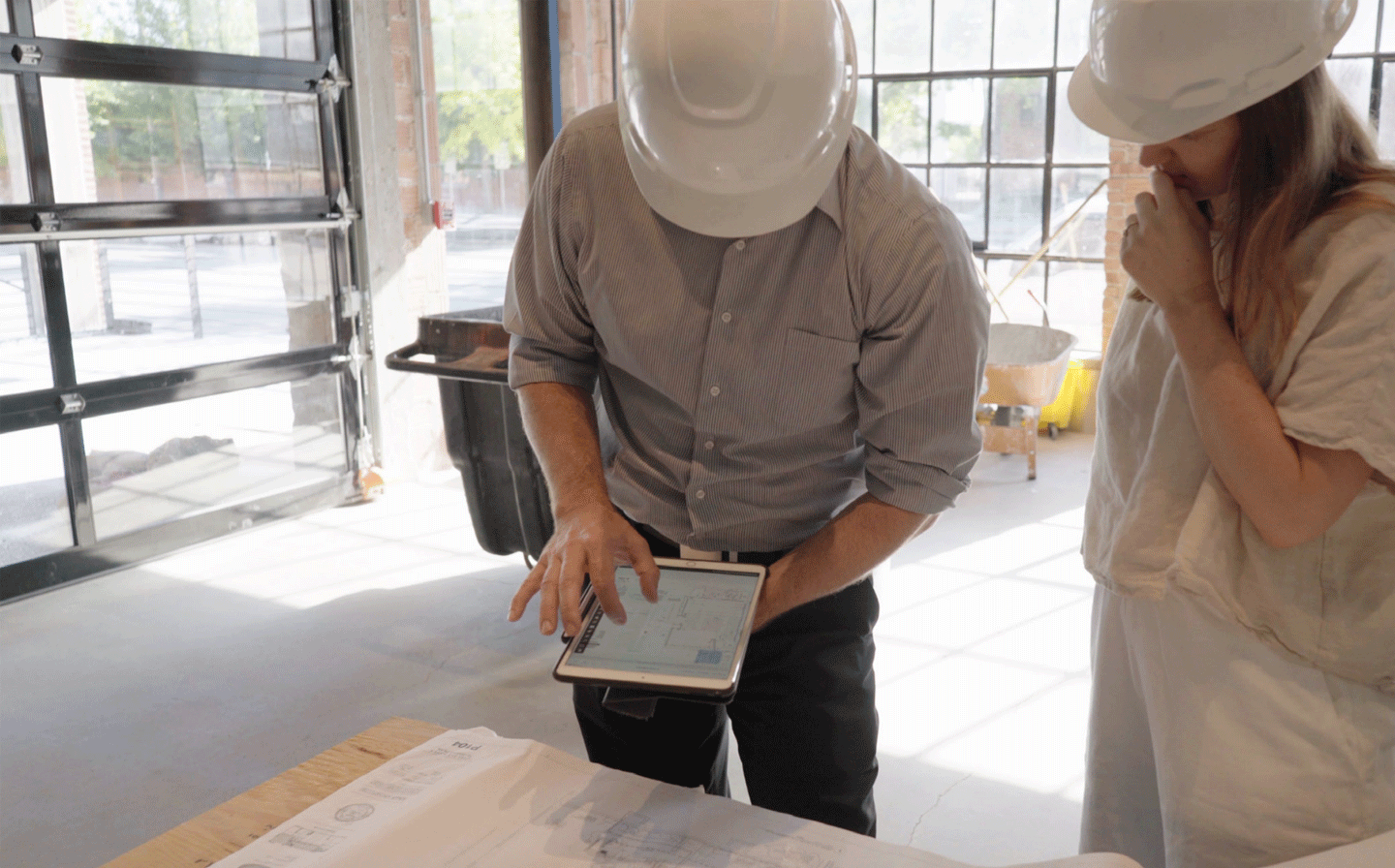
When planning a commercial building, renovation, or tenant improvement in Tulsa, one of the first questions many business owners and developers ask is whether they actually need an architect. While smaller projects may not always require architectural services by law, many commercial developments benefit greatly from the expertise and guidance an architect provides.
Commercial buildings must meet strict safety codes, zoning regulations, accessibility standards, and structural requirements. An experienced architect helps ensure these requirements are met while also creating a space that supports your business goals. In many cases, working with an architect early in the process helps prevent delays, control costs, and improve the overall quality of the project.
At Lilly Architects, we work with business owners, developers, and organizations across Tulsa to help bring commercial projects from concept to completion with clarity and confidence.
When an Architect Is Required for Commercial Projects
For many commercial projects, architectural drawings prepared by a licensed architect are required to obtain building permits. Local building codes typically require a licensed professional to prepare and seal drawings for projects that involve structural work, new construction, or significant modifications to existing buildings.
Examples of projects that often require an architect include new commercial buildings, major renovations, structural modifications, or projects that involve changes in occupancy classification. In these cases, the architect prepares detailed plans that demonstrate compliance with building codes and safety regulations.
Because commercial buildings must meet strict safety and accessibility standards, properly prepared construction documents are essential for permit approval.
Navigating Tulsa Zoning and Building Regulations
Every commercial project must comply with local zoning and development regulations. These rules determine how a property can be used, how large a building can be, and where it can be located on the site.
Tulsa zoning codes regulate elements such as setbacks, parking requirements, building height, and land use classifications. Understanding these regulations early in the design process helps prevent costly redesigns later.
Architects research zoning conditions and coordinate with city officials during the planning process to ensure the proposed design aligns with local regulations.
Designing Spaces That Support Your Business
A successful commercial building does more than meet regulatory requirements—it also supports the people who use it. Architects design spaces that improve efficiency, enhance customer experience, and support daily operations.
For example, retail environments must consider customer circulation and visibility. Office spaces should support productivity and collaboration. Restaurants require carefully planned kitchen layouts and service paths. Each building type has unique functional requirements that influence the design.
Architects analyze how the space will be used and create layouts that improve both usability and comfort.
Coordinating Building Systems and Engineering
Commercial buildings rely on multiple technical systems including structural framing, mechanical systems, electrical infrastructure, plumbing networks, and fire protection systems. These systems must work together seamlessly within the building design.
Architects coordinate the work of engineers and consultants to ensure all systems are integrated properly. This coordination helps prevent conflicts during construction and improves the overall performance of the building.
Effective coordination also allows contractors to build more efficiently and reduces the likelihood of costly field changes.
Managing Costs Through Early Planning
Some property owners hesitate to hire an architect because they assume it will increase the cost of the project. In reality, architects often help control costs by identifying potential issues early and developing efficient design solutions.
Detailed drawings and careful planning allow contractors to estimate costs more accurately and reduce misunderstandings during construction. Architects also help evaluate material choices and building systems to ensure the design aligns with the project budget.
Early planning is one of the most effective ways to keep a commercial project on schedule and within budget.
Supporting the Construction Phase
The architect’s role does not end when construction begins. During construction, architects review progress, answer contractor questions, and help resolve unforeseen issues that may arise on site.
This involvement helps ensure the building is constructed according to the design and that quality standards are maintained. Ongoing communication between the architect, contractor, and owner helps keep the project moving forward smoothly.
Why Local Architectural Experience Matters
Working with a local architect offers important advantages for commercial projects in Tulsa. Architects familiar with the region understand the city’s approval processes, construction practices, and climate considerations.
Local experience helps streamline coordination with city departments and contractors. It also allows architects to design buildings that respond appropriately to Tulsa’s weather conditions and community context. This familiarity often leads to more efficient project delivery and fewer unexpected challenges.
Final Thoughts
While not every commercial project legally requires an architect, most projects benefit significantly from professional architectural guidance. Architects help ensure buildings meet safety regulations, function effectively, and deliver long-term value.
From early planning and zoning research to construction coordination, architects play a critical role in bringing commercial projects to life.
If you are considering a commercial building, renovation, or tenant improvement in Tulsa, consulting with an experienced architect early in the process can help ensure your project moves forward successfully.
Frequently Asked Questions
- Do I legally need an architect for a commercial building in Tulsa?
Many commercial projects require drawings prepared and sealed by a licensed architect in order to obtain building permits, especially when structural changes or new construction are involved. - What does a commercial architect do during a project?
A commercial architect helps plan the building, prepare construction drawings, coordinate engineering systems, and support the project throughout construction. - Can an architect help with permits and city approvals?
Yes. Architects prepare the documentation needed for permits and work with city officials during the approval process. - When should I hire an architect for a commercial project?
It is best to involve an architect early in the planning stage so zoning, design, and budgeting considerations can be addressed before construction begins. - Is hiring an architect worth it for smaller commercial renovations?
Even for smaller projects, architectural guidance can help ensure compliance with codes, improve functionality, and avoid costly construction mistakes.