
Sustainability has become a defining priority in contemporary architecture. Homeowners and builders alike are looking for ways to reduce environmental impact while improving comfort, durability, and long-term value. One of the most effective ways architects achieve these goals is through the thoughtful selection of green building materials. These materials are designed to minimize waste, lower energy consumption, and create healthier indoor environments without sacrificing performance or aesthetics.
At Lilly Architects, sustainable material selection is not a trend-driven decision, it is an intentional design strategy that supports responsible construction and long-term living.
What Makes a Building Material “Green”?
Green building materials are defined by their reduced environmental impact across their entire life cycle. This includes how the material is sourced, manufactured, transported, installed, maintained, and eventually recycled or reused. Architects consider factors such as energy efficiency, durability, renewability, recyclability, and indoor air quality when evaluating materials for sustainable projects.
A truly green material does more than reduce carbon footprint; it also supports occupant health and long-term performance.
Engineered Wood and Mass Timber
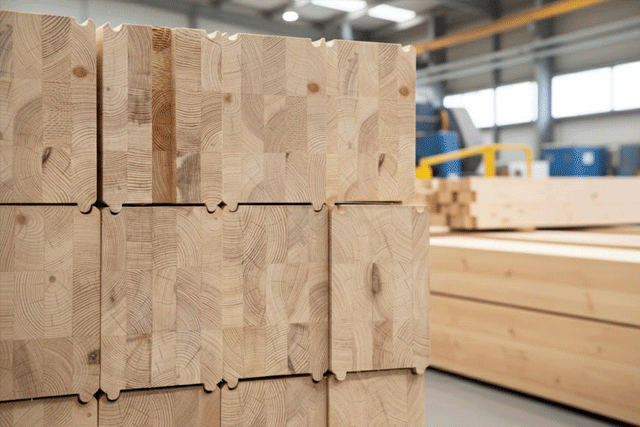
Engineered wood products, such as cross-laminated timber and laminated veneer lumber, are increasingly used in residential and commercial architecture. These materials use smaller pieces of wood bonded together to create strong structural elements while reducing waste. Because wood is a renewable resource that stores carbon, engineered timber systems offer a lower environmental impact than traditional steel or concrete when responsibly sourced.
In addition to sustainability, mass timber creates warm, natural interiors and allows for faster, more efficient construction methods.
Recycled and Reclaimed Materials
Recycled and reclaimed materials play a significant role in green architecture. Reclaimed wood, recycled steel, and reused brick reduce the demand for new raw materials while adding character and depth to a building. These materials often carry a sense of history and authenticity that enhances architectural expression.
Architects carefully specify reclaimed materials to ensure structural integrity and compatibility with modern building standards, combining sustainability with craftsmanship.
Low-Carbon Concrete and Alternative Masonry
Traditional concrete production is energy-intensive, but modern alternatives are helping reduce its environmental impact. Low-carbon concrete mixes incorporate supplementary materials such as fly ash or slag to reduce cement content, which significantly lowers carbon emissions.
Architects also use alternative masonry products, including compressed earth blocks and locally sourced stone, to reduce transportation emissions and support regional construction practices.
High-Performance Insulation Materials
Insulation plays a critical role in energy efficiency, and green architecture emphasizes materials that improve thermal performance while minimizing environmental impact. Natural insulation options such as cellulose, sheep’s wool, and cork are gaining popularity due to their renewable sources and excellent performance.
These materials help regulate indoor temperatures, reduce energy consumption, and improve indoor air quality by avoiding harmful chemicals found in some conventional insulation products.
Sustainable Exterior Cladding and Finishes
Exterior materials are essential to both durability and energy performance. Architects increasingly specify fiber cement siding, thermally modified wood, recycled metal panels, and responsibly sourced wood cladding. These materials offer long lifespans, low maintenance requirements, and resistance to weathering.
By choosing durable, sustainable cladding systems, architects reduce the need for frequent replacement and maintenance, which contributes to long-term sustainability.
Low-VOC Paints, Sealants, and Finishes
Indoor air quality is a major consideration in green building design. Many conventional paints and finishes release volatile organic compounds (VOCs), which can negatively affect health. Low-VOC and zero-VOC products significantly reduce harmful emissions while delivering high-quality finishes.
Architects specify these materials to create healthier indoor environments, especially in homes designed for families, children, or aging residents.
Energy-Efficient Windows and Glazing
Windows play a vital role in both energy performance and occupant comfort. High-performance glazing systems with low-emissivity coatings, insulated frames, and advanced sealing techniques help reduce heat transfer while maximizing natural light.
Architects use window placement strategically to support passive solar design, reduce heating and cooling demands, and improve the overall energy efficiency of a building.
Rapidly Renewable and Bio-Based Materials
Materials such as bamboo, cork, and linoleum are considered rapidly renewable because they regenerate quickly compared to traditional hardwoods. These materials are durable, visually appealing, and environmentally responsible when sourced correctly.
Bio-based materials derived from plants or agricultural byproducts are also gaining traction as architects explore alternatives to petroleum-based products.
Why Material Selection Matters in Sustainable Design
The materials chosen for a building directly influence its environmental impact, operating costs, and long-term durability. Architects take a holistic approach, balancing sustainability with performance, aesthetics, and budget. When materials are selected thoughtfully, green architecture delivers both environmental responsibility and lasting value.
At Lilly Architects, material selection is integrated into the design process from the earliest stages, ensuring sustainability is achieved through strategy rather than compromise.
Final Thoughts
Green building materials are shaping the future of architecture. From engineered timber and recycled materials to high-performance insulation and low-VOC finishes, today’s architects have more tools than ever to create buildings that are efficient, healthy, and environmentally responsible.
By working with an architect who understands sustainable materials and systems, homeowners can build spaces that perform better, cost less to operate, and support long-term well-being.
If you’re planning a project in Tulsa or anywhere in Oklahoma, Lilly Architects can help you make informed material choices that align with your values and your vision.
Frequently Asked Questions
- Are green building materials more expensive?
Some sustainable materials may have higher upfront costs, but they often reduce long-term expenses through lower energy use, durability, and reduced maintenance. - Do green materials perform as well as traditional materials?
Yes. Many green materials meet or exceed the performance of conventional products while offering additional benefits such as improved air quality and energy efficiency. - Can green materials be used in renovations?
Absolutely. Sustainable materials can be integrated into both new construction and renovation projects, often improving performance without major structural changes. - Do green materials improve resale value?
Homes built with sustainable materials often attract buyers seeking energy efficiency and healthier living environments, which can positively influence resale value. - Are green building materials suitable for Oklahoma’s climate?
Yes. Many sustainable materials perform very well in Oklahoma’s climate when properly selected and detailed by an experienced architect.