
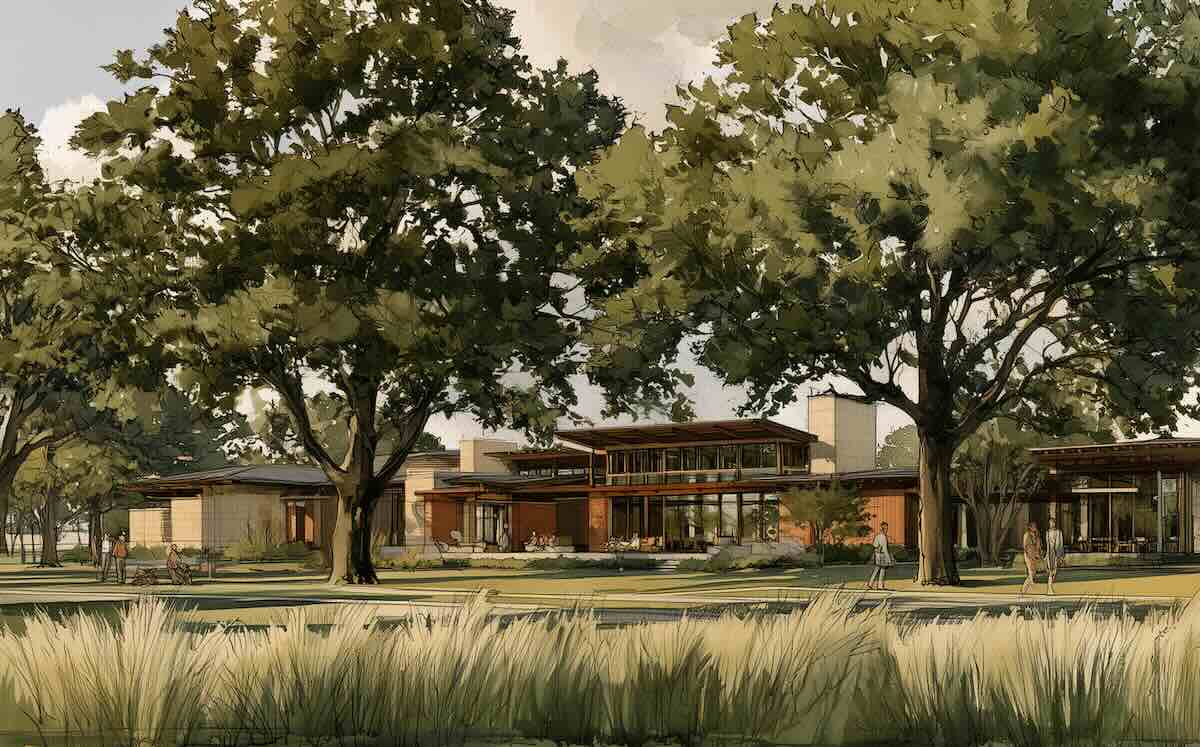
When homeowners think about increasing the value of their property, they often focus on renovations such as updated kitchens, new bathrooms, flooring, or fresh paint. While these improvements can certainly make a difference, the underlying architecture of a home can have an even greater impact on how a property functions, feels, and appeals to future buyers.
Good architecture is not simply about creating an attractive building. It is about designing spaces that respond to how people live. A well-planned home can offer better natural light, more efficient circulation, flexible spaces, stronger indoor outdoor connections, improved energy performance, and a layout that remains useful as lifestyles change.
For homeowners in Tulsa considering a renovation, addition, or custom home, architectural planning can be an important investment in both current quality of life and long term property value.
At Lilly Architects, we approach residential design with a focus on functionality, context, craftsmanship, and long term usability. The objective is to create homes that work exceptionally well for the people living in them today while remaining appealing to future homeowners.
What Do Buyers Actually Look for in a Home?
Buyers rarely evaluate a property based on one feature alone. Their perception of value is influenced by how well the home works as a whole. A home with an attractive kitchen may still feel undesirable if the layout is awkward. A large house may feel smaller than expected if circulation is inefficient. Conversely, a thoughtfully designed home can feel spacious and comfortable without necessarily having a large footprint.
Today's buyers often look for homes with functional layouts, comfortable living spaces, good natural light, useful storage, quality materials, outdoor connections, and spaces that can adapt to different needs. Architecture brings these individual qualities together into one cohesive environment.
A Functional Floor Plan Can Increase Perceived Value
One of the most important architectural factors affecting a home's appeal is the floor plan. A well designed floor plan makes movement through the home feel intuitive. Rooms have appropriate relationships to one another, circulation paths are clear, and everyday activities can happen without unnecessary obstacles.
For example, placing the kitchen near dining and outdoor entertaining areas can improve functionality. Creating a logical relationship between bedrooms and bathrooms can make daily routines easier. Providing separation between noisy gathering spaces and quiet bedrooms can improve comfort. These decisions may not always be immediately visible in photographs, but they become obvious when buyers walk through the home.
Natural Light Makes a Home Feel More Valuable
Natural light has a powerful effect on how people perceive a space. Bright interiors tend to feel more open, comfortable, and inviting. Architects can improve daylight through strategic window placement, larger openings, skylights, clerestory windows, and better connections between interior spaces.
The orientation of the home and the position of windows also influence how much sunlight enters different rooms throughout the day. For Tulsa homes, daylight planning should also account for heat gain and glare. Proper shading, glazing, and orientation can help homeowners enjoy natural light while maintaining indoor comfort.
A home that feels naturally bright and connected to its surroundings can create a stronger first impression with prospective buyers.
Architectural Curb Appeal Matters
First impressions begin before a buyer walks through the front door. A home's exterior proportions, entry sequence, materials, rooflines, windows, landscaping, and relationship to the site all contribute to curb appeal. Good architecture creates a sense of balance and coherence rather than relying on decorative features alone.
For homeowners planning an addition or exterior renovation, maintaining consistency with the home's existing architecture is important. A poorly integrated addition can make a property feel disconnected, while a thoughtfully designed addition can enhance the entire exterior.
Outdoor Living Can Increase Appeal
Outdoor living has become an increasingly important consideration for homebuyers. Patios, covered porches, outdoor kitchens, terraces, gardens, and well designed yards can effectively expand the usable living area of a property.
Architecture plays an important role in creating these connections. Large glass doors, covered transitions, aligned views, and carefully positioned outdoor spaces can make the boundary between the interior and exterior feel more natural.
For Tulsa homeowners, outdoor living spaces can provide valuable opportunities for entertaining and relaxation while responding to the region's climate.
Flexible Spaces Are Valuable to Today's Buyers
Homeowners' needs change over time. A room that serves as a home office today may become a guest bedroom, study, exercise room, or hobby space in the future. Flexible architecture allows a home to adapt without requiring major renovations every time a family's circumstances change.
Designing rooms with appropriate proportions, natural light, electrical infrastructure, storage, and convenient access makes them easier to repurpose. This adaptability can make a property attractive to a wider range of buyers.
Storage Is an Architectural Feature
Storage is sometimes treated as a minor detail, but it can have a significant effect on how a home functions. Well designed closets, pantries, mudrooms, built-in cabinetry, and utility storage help keep living spaces organized and reduce clutter.
Buyers often notice when storage has been carefully planned because it makes a home easier to live in from day one. Architectural design allows storage to be integrated into the structure of the home instead of relying entirely on freestanding furniture.
Energy Efficiency Can Support Long-Term Value
Homebuyers are increasingly conscious of operating costs and indoor comfort. Architecture can contribute to energy performance through decisions about orientation, insulation, windows, shading, ventilation, and mechanical systems. A well designed home can take advantage of natural daylight and ventilation while reducing unnecessary heat gain and energy consumption.
In Oklahoma, where summers can be hot and winters can bring significant temperature changes, climate responsive design is particularly important. Energy efficient architecture can improve comfort while potentially reducing long-term operating costs.
Quality Materials and Timeless Design Matter
A home's value is not determined solely by how expensive its finishes are. The quality, durability, and appropriateness of materials are often more important. Natural materials and well executed architectural details can age gracefully when properly selected and maintained.
Timeless design also tends to have broader appeal than architecture built entirely around short-lived trends. A thoughtfully designed home can incorporate contemporary features while maintaining proportions, materials, and details that remain relevant over time.
Renovation Quality Can Influence Resale Value
Not all renovations add equal value to a property. Improvements that simply follow trends may have limited long term impact if they do not address underlying functionality. Architecturally planned renovations can improve the home's layout, circulation, natural light, storage, and relationship with outdoor spaces.
This approach focuses on improving the fundamental qualities of the property rather than simply changing its appearance. For homeowners considering a major renovation in Tulsa, understanding which improvements will provide lasting functional value is an important part of the planning process.
Architecture Should Respond to the Site
A home's relationship to its property can influence both its appearance and functionality. Site conditions such as orientation, topography, existing trees, views, privacy, and neighboring properties all affect architectural decisions.
A home designed specifically for its site can take better advantage of natural light, outdoor views, privacy, and landscape features. This site-responsive approach creates a stronger connection between the building and its surroundings, making the property feel more intentional and integrated.
Why Local Tulsa Architecture Experience Matters
Local knowledge can be particularly valuable when designing or renovating a home in Tulsa. Tulsa has a diverse residential landscape that includes historic neighborhoods, established suburban communities, newer developments, and properties with very different architectural styles and site conditions.
An architect familiar with the Tulsa area understands local construction practices, permitting considerations, climate conditions, and the characteristics of different types of homes. This regional understanding helps ensure that design decisions are appropriate for both the property and its surroundings.
Does Hiring an Architect Really Add Value?
The value of architectural services extends beyond drawings. An architect helps homeowners make better decisions about how space is organized, how the building responds to its site, which improvements are worth prioritizing, and how different components of the project work together.
For larger renovations and custom homes, architectural planning can also help identify potential problems before construction begins and coordinate structural, mechanical, electrical, and other design considerations. The result is a home where individual decisions support a larger design strategy. That cohesion is one of the qualities that can make a property feel more valuable.
Designing for the Next Homeowner
Even if you have no plans to sell your home, thinking about future buyers can be useful when making major architectural decisions. A successful home should first and foremost meet the needs of the people who live there. However, durable materials, functional layouts, flexible spaces, good natural light, efficient systems, and thoughtful outdoor connections also tend to have broader appeal.
The best approach is not to design a home around resale trends. Instead, create a well designed home that works exceptionally well and allow its quality to become part of its long-term value.
Final Thoughts
Architecture can add value to a home in ways that go far beyond appearance. A thoughtfully designed property can provide better functionality, stronger indoor outdoor connections, improved natural light, greater flexibility, and more comfortable everyday living. These qualities are increasingly important to homeowners and can influence how prospective buyers perceive a property when it eventually comes on the market.
For Tulsa homeowners considering a custom home, addition, or major renovation, architectural planning provides an opportunity to improve not only the appearance of a property but also the way it functions for years to come. At Lilly Architects, our approach is centered on creating purposeful architecture that responds to the homeowner, the site, and the long term life of the property.
Frequently Asked Questions
- Does hiring an architect increase the value of a home?
Architectural services can contribute to a home's value by improving its layout, functionality, natural light, energy performance, and overall design quality. The value of the investment depends on the scope and quality of the project.
- What architectural features do homebuyers value most?
Buyers often appreciate functional floor plans, natural light, useful storage, flexible rooms, quality materials, outdoor living spaces, energy-efficient features, and well-integrated additions.
- Can a renovation increase the resale value of a Tulsa home?
A thoughtfully planned renovation can improve a home's functionality, appearance, and market appeal. The potential impact depends on the property, neighborhood, project scope, and quality of the improvements.
- Does an open floor plan add value?
An open layout can appeal to many buyers, but it is not automatically better for every home. The most valuable floor plan is one that balances openness with privacy, functionality, and the architectural character of the property.
- How does natural light affect home value?
Natural light can make rooms feel larger, brighter, and more comfortable. Strategic architectural planning can improve daylight while also addressing glare and heat gain.
- Should I renovate for myself or for future buyers?
Your primary goal should be creating a home that works for your lifestyle. However, choosing durable materials, functional layouts, flexible spaces, and timeless design can help protect the property's long-term appeal.
- When should I involve an architect in a home renovation?
It is generally best to involve an architect early, before major design or construction decisions are made. Early involvement allows the architect to evaluate the existing property, understand your goals, explore options, and develop a coordinated renovation strategy.