
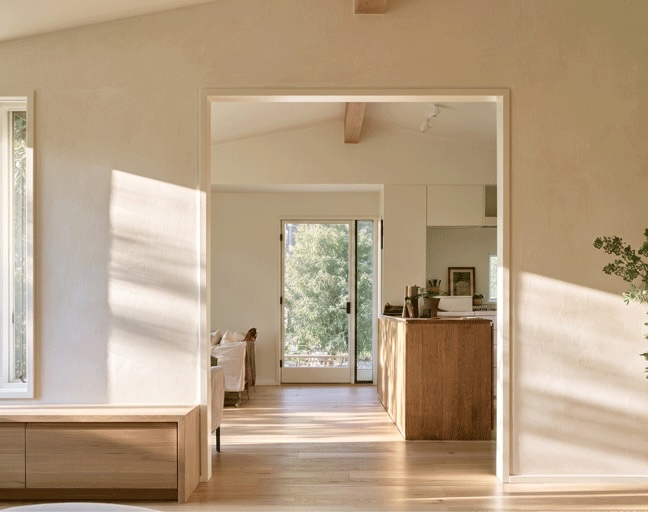
Many homeowners assume that the only solution to a cramped home is adding more square footage. In reality, thoughtful architectural design can dramatically improve how a home feels without significantly increasing its size. Through strategic planning, efficient layouts, natural light, and creative storage solutions, smaller homes can feel far more spacious, comfortable, and functional.
In Tulsa, many homes were built during periods when room layouts and living patterns were very different from today's lifestyles. Older homes often include enclosed rooms, narrow hallways, and underutilized spaces that can make the home feel smaller than it actually is. A well-planned renovation can unlock the potential of these spaces and improve both everyday living and long-term property value.
At Lilly Architects, we work with homeowners throughout Tulsa to create designs that maximize every square foot while maintaining comfort, beauty, and functionality.
Start with Better Space Planning
One of the most effective ways to make a home feel larger is by improving how space is organized. Many smaller homes contain areas that are inefficiently used or disconnected from the rest of the floor plan. Rather than focusing on adding square footage, architects evaluate how rooms relate to one another and how people move throughout the home.
Improving circulation and eliminating wasted space often creates a noticeable increase in perceived size. Thoughtful space planning helps ensure every area serves a purpose and contributes to the overall functionality of the home.
Open Up the Floor Plan
Many older Tulsa homes feature compartmentalized layouts with separate rooms connected by hallways. While these layouts can provide privacy, they often restrict natural light and make interiors feel smaller. Opening up connections between kitchens, dining rooms, and living areas can create a greater sense of openness without increasing the home's footprint.
Removing unnecessary walls or creating larger openings allows spaces to flow together more naturally while improving visibility throughout the home. An open floor plan can make even modest-sized homes feel significantly larger and more welcoming.
Maximize Natural Light
Natural light has a powerful impact on how spacious a home feels. Bright interiors tend to appear larger, more open, and more inviting.
During a renovation, architects may recommend:
- Enlarging existing windows
- Adding new windows
- Installing glass doors
- Incorporating skylights
- Improving sightlines between rooms
Tulsa's abundant sunshine provides an excellent opportunity to use daylight as a design tool. Properly positioned windows can brighten interior spaces while maintaining energy efficiency and comfort. Natural light not only enhances aesthetics but also improves the overall experience of living in the home.
Use Visual Continuity Throughout the Home
Consistent materials and finishes help create a sense of visual flow. When flooring, wall colors, and design elements change frequently from room to room, spaces can feel fragmented and smaller. Using a cohesive material palette throughout the home creates continuity and helps rooms feel more connected.
This does not mean every room must look identical, but maintaining visual harmony helps create a larger and more unified environment. Architectural details such as aligned ceiling heights and coordinated trim work also contribute to this effect.
Design Smarter Storage Solutions
Clutter is one of the biggest reasons small homes feel crowded. Effective storage allows homeowners to keep everyday items organized while maintaining clean and open spaces.
Built-in storage solutions often provide more usable space than freestanding furniture. Examples include:
- Custom shelving
- Built-in cabinets
- Window seats with storage
- Under-stair storage
- Integrated closet systems
Well-designed storage reduces visual clutter and allows living spaces to function more efficiently.
Consider Ceiling Design
Ceiling height can significantly influence how spacious a room feels. Even when ceiling heights cannot be increased, architectural design can create the perception of greater height.
Techniques may include:
- Vaulted ceilings
- Exposed beams
- Vertical design elements
- Tall windows
- Strategic lighting placement
Drawing the eye upward helps create a stronger sense of openness and volume. In many renovation projects, ceiling design becomes a valuable tool for enhancing spatial perception.
Create Strong Indoor-Outdoor Connections
One of the most effective ways to make a home feel larger is by visually extending living spaces into outdoor areas. Large windows, sliding glass doors, and outdoor living spaces create a stronger connection between interior and exterior environments. When views extend beyond the walls of the home, rooms often feel significantly larger.
For Tulsa homeowners, patios, covered outdoor spaces, and landscaped courtyards can serve as natural extensions of indoor living areas. These connections improve both functionality and overall quality of life.
Choose Furniture and Fixtures Carefully
Oversized furniture can quickly overwhelm a small room. During renovations, it is important to consider how future furnishings will fit within the space. Scale and proportion play a critical role in creating balanced interiors. Architects often plan layouts with furniture placement in mind to ensure circulation remains comfortable and spaces feel open.
Built-in solutions can sometimes reduce the need for bulky furniture while improving functionality. Thoughtful planning helps maintain a sense of spaciousness even in smaller rooms.
Improve Lighting Throughout the Home
Lighting affects how people perceive space. Poorly lit rooms often feel smaller and less inviting.
A layered lighting strategy combines:
- Ambient lighting
- Task lighting
- Accent lighting
- Natural daylight
This approach creates depth and visual interest while helping rooms feel larger and more comfortable. Architectural lighting design is especially important in spaces that receive limited natural light.
Renovate with Long-Term Functionality in Mind
Making a home feel larger is not just about aesthetics—it is about improving how the space supports daily life.
A successful renovation considers:
- Current lifestyle needs
- Future flexibility
- Storage requirements
- Traffic flow
- Accessibility
Design decisions that improve usability often contribute directly to a greater sense of spaciousness. When a home functions efficiently, it naturally feels larger and more comfortable.
Why Local Tulsa Experience Matters
Homes in Tulsa vary widely in age, style, and construction type. What works for one property may not be appropriate for another.
Architects with local experience understand:
- Tulsa building codes
- Renovation permitting requirements
- Regional construction practices
- Climate-related design considerations
This knowledge helps ensure renovations are practical, compliant, and well-suited to the local environment. Local expertise also helps homeowners identify opportunities specific to their property's layout and architectural character.
Final Thoughts
A small home does not have to feel small. Through thoughtful architectural planning, strategic renovations, and efficient use of space, homeowners can dramatically improve comfort and functionality without significantly expanding the home's footprint.
By focusing on layout, natural light, storage, and visual openness, it is possible to create a home that feels larger, brighter, and more enjoyable to live in. If you are considering a renovation in Tulsa, working with an experienced architect can help you uncover design opportunities that maximize the potential of your home.
Frequently Asked Questions
- Can a small home feel bigger without adding square footage?
Yes. Improved layouts, natural light, storage solutions, and visual continuity can dramatically increase the perception of space. - Do open floor plans make homes feel larger?
In many cases, yes. Open layouts improve sightlines and allow natural light to travel more freely throughout the home. - What is the best way to add natural light during a renovation?
Larger windows, glass doors, skylights, and improved room connections are all effective strategies. - Should I hire an architect for a small home renovation?
An architect can help identify design opportunities that improve functionality and maximize available space. - Will these design improvements increase home value?
Thoughtful renovations that improve usability, light, and flow can enhance both livability and resale appeal.