
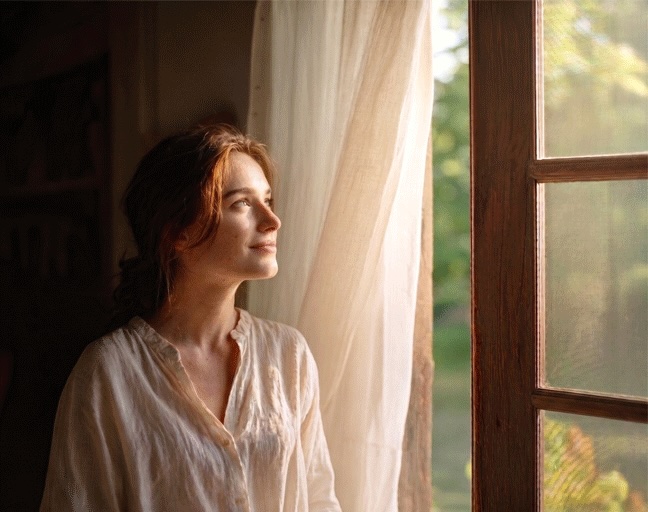
Natural light has a major impact on how a home feels, functions, and performs. Bright, naturally lit spaces often feel larger, more comfortable, and more inviting, while also improving energy efficiency and overall well-being. During a home renovation, natural light should be considered as carefully as layout, materials, and finishes.
Many homeowners in Tulsa focus primarily on cosmetic updates during remodeling projects without fully evaluating how light moves through the home. However, thoughtful architectural planning can dramatically transform dark or enclosed spaces into bright, functional environments that feel more connected to the outdoors. At Lilly Architects, we help homeowners design renovations that maximize natural light while balancing comfort, privacy, and energy performance.
Why Natural Light Matters in Home Renovations
Natural light does more than improve aesthetics. It affects mood, comfort, productivity, and even perceived space. Well-lit interiors often feel more open and welcoming while reducing the need for artificial lighting during the day. In Tulsa, where sunlight is abundant throughout much of the year, thoughtful daylight planning can significantly improve the quality of a home. Properly designed spaces also support better energy efficiency by reducing daytime lighting demands and helping regulate indoor comfort.
When incorporated correctly, natural light becomes an essential architectural feature rather than simply a byproduct of window placement.
Evaluate the Existing Layout First
Before adding new windows or openings, it is important to understand how light currently moves through the home. Many older Tulsa homes were designed with compartmentalized floor plans that limit daylight penetration into interior spaces. Walls, hallway configurations, ceiling heights, and furniture placement can all affect how light travels through the home.
An architect evaluates the existing structure to identify areas where layout adjustments could improve brightness and visual openness without compromising functionality. Sometimes small spatial changes can dramatically improve daylight distribution.
Increase Window Size Strategically
One of the most effective ways to increase natural light is by enlarging existing windows or adding new ones. However, more glass does not always mean better performance.
Window placement should respond to:
- Sun orientation
- Privacy needs
- Heat gain
- Exterior views
- Interior function
South-facing windows can provide consistent daylight, while east-facing windows bring in softer morning light. In Tulsa’s warmer months, excessive west-facing exposure may require shading strategies to control glare and heat.
Architectural planning helps balance daylight with comfort and energy efficiency.
Open Up Interior Spaces
Natural light travels more effectively through open and connected spaces. Removing unnecessary walls or widening openings between rooms can allow daylight to reach deeper into the home. Open floor plans are particularly effective in kitchens, living rooms, and dining areas where shared light can benefit multiple spaces simultaneously.
However, openness should still maintain functional zoning and privacy where needed. Thoughtful renovation design creates balance between openness and livability.
Add Glass Doors and Interior Glazing
Glass doors and interior glazing can help distribute light between rooms while maintaining visual separation.
Examples include:
- Sliding glass doors
- French doors
- Interior steel-and-glass partitions
- Transom windows
- Frosted glass panels
These solutions allow natural light to move through the home without fully sacrificing privacy or acoustic separation.
They are especially useful in hallways, offices, and transitional spaces that typically receive limited daylight.
Consider Skylights and Clerestory Windows
In areas where traditional windows are limited, skylights and clerestory windows can introduce daylight from above. Skylights work particularly well in bathrooms, kitchens, hallways, and vaulted spaces. Clerestory windows positioned higher on walls allow daylight to enter while preserving privacy.
When designed properly, these features can significantly brighten interior spaces and reduce reliance on artificial lighting. Proper placement and shading are essential to prevent overheating during Tulsa’s hotter seasons.
Use Reflective Materials and Lighter Finishes
Materials and finishes influence how light behaves inside a home. Dark finishes tend to absorb light, while lighter materials reflect it more effectively.
To improve brightness, many renovations incorporate:
- Light-colored walls
- Reflective surfaces
- Natural wood tones
- Matte finishes that diffuse light evenly
Flooring, cabinetry, and countertops also affect overall brightness and should be considered as part of the lighting strategy.
Thoughtful material selection helps maximize the impact of available daylight.
Improve Indoor-Outdoor Connections
Connecting interior spaces to outdoor areas increases both daylight and visual openness. Large openings to patios, courtyards, or landscaped spaces can make rooms feel significantly larger and brighter. Modern renovations often use sliding glass systems or expanded openings to strengthen this connection while increasing natural light throughout the home.
In Tulsa, covered outdoor areas can also help control sunlight exposure while maintaining strong visual continuity between indoors and outdoors.
Don’t Overlook Window Treatments and Shading
While maximizing daylight is important, controlling light is equally essential. Excessive glare or heat gain can reduce comfort if shading strategies are not incorporated.
Well-designed renovations balance daylight with:
- Overhangs
- Exterior shading devices
- Window treatments
- Landscape screening
- High-performance glazing systems
These elements help regulate sunlight while maintaining brightness and energy efficiency.
Integrate Artificial Lighting with Natural Light
Even well-lit homes require artificial lighting after sunset or during overcast conditions. Renovations should coordinate artificial lighting with natural daylight to create consistent comfort throughout the day.
Layered lighting design ensures the home remains functional and visually balanced in all conditions. Architects consider how daylight changes throughout the day and how artificial lighting can complement those transitions.
Why Local Tulsa Experience Matters
Tulsa’s climate and seasonal sun patterns influence how natural light should be integrated into residential design. Architects with local Tulsa experience understand how orientation, heat gain, storm conditions, and regional building practices affect renovation decisions.
They can recommend window systems, shading solutions, and layouts that perform well specifically in Tulsa’s environment. Working with a local architect also helps ensure renovations comply with permitting and structural requirements when modifying walls, windows, or rooflines.
Final Thoughts
Maximizing natural light during a home renovation can dramatically improve the comfort, beauty, and functionality of your space. However, successful daylight design requires more than simply adding windows—it requires careful consideration of layout, orientation, materials, and energy performance.
By approaching natural light as an essential part of the architectural design process, homeowners can create spaces that feel brighter, more open, and more connected to the outdoors. If you are planning a home renovation in Tulsa, thoughtful architectural planning can help transform the way your home feels and functions for years to come.
Frequently Asked Questions
- What is the best way to increase natural light in a home?
Strategic window placement, open layouts, skylights, and lighter interior finishes are among the most effective solutions. - Do larger windows always improve a space?
Not necessarily. Window placement, orientation, and shading are just as important as size. - Can natural light improve energy efficiency?
Yes. Proper daylighting can reduce daytime lighting needs and support overall energy performance. - Are skylights a good option for Tulsa homes?
Yes, when properly designed and shaded to manage heat gain during warmer months. - Should I hire an architect for a renovation focused on natural light?
An architect can help optimize layout, window placement, and daylight strategies while balancing comfort, privacy, and energy efficiency.