
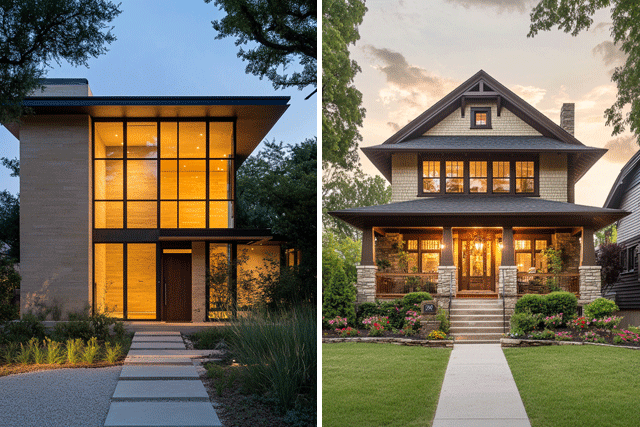
Choosing the architectural style of your home is one of the most important design decisions you’ll ever make. The style you select shapes not only how your home looks, but also how it functions, feels, and supports your lifestyle. In Tulsa and across Oklahoma, two of the most popular choices are modern and traditional architecture. Both offer unique advantages, distinct aesthetics, and very different experiences for homeowners. Understanding the differences can help you determine which style is best aligned with your vision, personality, and long-term needs.
At Lilly Architects, we work with homeowners every day to help them discover which architectural style suits them best. Whether you’re drawn to clean lines and open spaces or timeless craftsmanship and historical charm, the right style will make your home feel truly personal.
Understanding Modern Home Architecture
Modern architecture is built around the principles of simplicity, clarity, and functionality. Instead of ornate detailing, modern homes prioritize clean lines, minimal ornamentation, and a strong connection between indoor and outdoor spaces. Large windows, open floor plans, natural light, and a purposeful use of materials like glass, steel, and concrete are common traits. The spaces feel open, airy, and uncluttered, giving the home a sense of calm and efficiency.
People who choose modern architecture are often drawn to flexibility and adaptability. The open layouts allow rooms to serve multiple purposes, and the emphasis on simplicity makes modern homes easier to maintain. Another important characteristic is sustainability. Modern architecture frequently incorporates energy-efficient designs, smart technology, and environmentally conscious materials. Homeowners who value innovation, minimalism, and seamless flow often feel at home in a modern setting.
Understanding Traditional Home Architecture
Traditional architecture, on the other hand, is rooted in historical design styles that emphasize craftsmanship, symmetry, and detail. You’ll often see features such as pitched roofs, decorative trim, warm color palettes, and natural materials like wood, brick, or stone. These elements create a sense of comfort, familiarity, and timelessness.
Inside a traditional home, rooms tend to be more defined and separated, offering privacy and structure. Many homeowners appreciate the cozy, intimate feel these spaces create. Traditional homes also incorporate classic architectural elements such as crown molding, wainscoting, built-in cabinetry, and fireplaces. These details add character and charm, giving the home a warm and welcoming ambiance.
A traditional home appeals to homeowners who value history, craftsmanship, and long-established design principles. It’s a style that feels grounded and enduring qualities that many families find deeply comforting.
How to Decide Which Style Fits Your Lifestyle
Choosing between modern and traditional architecture begins with understanding how you live every day. If you prefer open, flexible spaces where activity flows from one area to another, a modern design may suit you better. The simplicity and uncluttered feel of modern homes can make daily life more efficient and visually calm.
If you enjoy defined rooms, classic details, and environments that feel warm and timeless, a traditional home may be a better fit. Traditional layouts offer privacy and structure, making them ideal for families or homeowners who want each room to serve a dedicated purpose.
Your personal taste also plays a major role. Do you gravitate toward sleek lines and minimalist décor, or do you prefer ornate fixtures and classic furnishings? Your furniture, artwork, and personal style will naturally harmonize better with one architectural direction or the other.
It can also help to consider how long you plan to live in the home. If long-term resale value is important, both styles have strong markets in Oklahoma, but traditional homes tend to attract wider audiences, while modern homes appeal to buyers seeking contemporary living. The decision should ultimately come down to your needs and the emotional connection you feel to each style.
Can You Blend Modern and Traditional Styles?
Absolutely. Many of today’s most successful homes combine the comfort of traditional architecture with the simplicity and clean lines of modern design. This blended style is often referred to as transitional architecture. It might feature a traditional exterior with a more modern, open interior layout, or a modern façade with warm, classic materials inside.
Transitional design allows homeowners to enjoy the best elements of both worlds, creating a balanced, harmonious space that feels both fresh and timeless. At Lilly Architects, we frequently help clients merge these two styles into a cohesive home that reflects their personality while providing long-lasting value.
Modern vs Traditional: Which Is More Cost-Effective?
The cost can vary significantly depending on the level of customization, materials, and complexity. Modern homes often require custom engineering for large windows, open spans, or unique structural forms, which can increase costs. Traditional homes may require more detailed craftsmanship and finishing work, which also impacts the budget.
Ultimately, neither style is inherently more expensive the cost depends on your priorities, materials, and design complexity. A thoughtful architect can help you achieve your preferred style without overspending.
Final Thoughts
Choosing between modern and traditional home architecture is a deeply personal decision. Both styles offer beauty, comfort, and functionality in their own ways. What matters most is how the home supports your daily life and how it reflects your personality.
If you’re unsure which direction is right for you, the team at Lilly Architects can help you explore both styles and guide you toward a design that meets your needs and inspires you every day. Whether you're drawn to the sleek simplicity of modern design or the warm familiarity of traditional architecture, your home should tell your story and we’re here to help bring that vision to life.
Frequently Asked Questions
Is modern architecture more expensive than traditional?
Not always. Modern designs may require custom windows or engineering, while traditional homes may need more detailed trim, finishes, and craftsmanship. Costs depend on complexity, materials, and design choices.
Which style has better resale value in Tulsa?
Both styles resell well. Traditional homes appeal to a broad audience, while modern homes attract buyers seeking contemporary layouts. A well-designed home holds value regardless of style.
Can a home mix both modern and traditional elements?
Yes. Transitional homes blend features from both styles, offering clean lines alongside classic materials or detailing. This is a popular option among Oklahoma homeowners.
Which style is easier to maintain?
Modern homes often require less maintenance due to their simplified details and minimal ornamentation. Traditional homes may require upkeep for trim, woodwork, and detailing.
What if I like modern interiors but prefer a traditional exterior?
Many homeowners choose a traditional exterior and pair it with a modern, open interior layout. An architect can seamlessly blend the two for a cohesive result.