
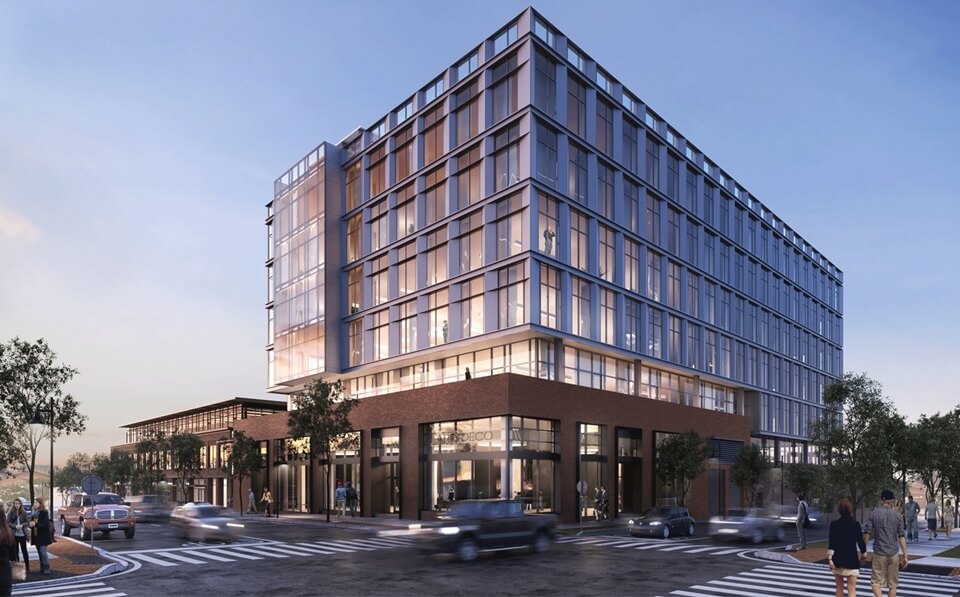
As businesses grow, their space needs evolve. Expanding teams, changing workflows, and new ways of working often require more than just additional square footage they require a well-planned environment that supports productivity, collaboration, and long-term success. Designing an office building in Tulsa is not just about creating space; it is about creating a workplace that aligns with how your business operates today and how it will grow in the future. Tulsa’s business landscape continues to develop, with companies investing in new offices, headquarters, and flexible workspaces.
Whether you are building from the ground up or renovating an existing property, understanding the key aspects of office building design can help you make informed decisions and avoid costly challenges. At Lilly Architects, we work with businesses across Tulsa to design office environments that are functional, efficient, and built to support long-term growth.
Understanding Your Business Needs First
The foundation of any successful office design begins with understanding how your business operates. Different industries have different space requirements, and even within the same industry, company culture and workflow can vary significantly. Some businesses require open collaborative environments, while others need private offices and quiet workspaces.
Hybrid work models may require flexible spaces that support both in-person and remote teams. Meeting rooms, shared spaces, and employee amenities all play a role in how the office functions. An architect works closely with you to understand these needs and translate them into a layout that supports productivity and efficiency.
Choosing the Right Location in Tulsa
Location is one of the most important decisions in office development. Factors such as accessibility, visibility, parking availability, and proximity to clients or employees all influence the success of the building.
Tulsa offers a variety of locations, from downtown business districts to suburban office parks. Each area comes with its own zoning requirements, traffic patterns, and development opportunities. Evaluating the site early helps determine what can be built and how the building should be positioned for maximum efficiency and visibility.
Designing for Flexibility and Future Growth
One of the most important considerations in modern office design is flexibility. Businesses change over time, and office spaces should be able to adapt without requiring major renovations. Flexible layouts allow spaces to be reconfigured as teams grow or organizational needs shift. Open areas can be converted into private offices, and shared spaces can be adjusted to accommodate different uses.
Designing with future growth in mind helps protect your investment and ensures the building remains functional over time.
Balancing Open and Private Workspaces
Office design has evolved significantly in recent years. While open layouts remain popular for collaboration, they must be balanced with areas that provide privacy and focus. A successful office design includes a mix of open workspaces, private offices, meeting rooms, and quiet zones. This balance allows employees to choose the environment that best supports their work.
Thoughtful space planning improves productivity, reduces distractions, and creates a more comfortable work environment.
Natural Light and Workplace Well-Being
Natural light is one of the most important elements in office design. Access to daylight improves mood, productivity, and overall well-being. Architects carefully position windows, glass partitions, and open layouts to maximize natural light throughout the building.
In Tulsa, where sunlight is abundant, proper orientation and shading strategies help balance daylight with energy efficiency. Designing with well-being in mind creates a healthier and more engaging workplace.
Integrating Technology into Office Design
Modern offices rely heavily on technology, and design must support seamless integration. This includes data infrastructure, communication systems, lighting controls, and climate management. Planning technology early ensures that systems are integrated into the building rather than added later. This approach improves functionality and maintains a clean, organized appearance.
Technology should enhance the workspace without overwhelming it.
Energy Efficiency and Long-Term Performance
Energy efficiency is a key consideration in office building design. Efficient systems reduce operating costs and improve comfort for occupants. High-performance insulation, efficient HVAC systems, and quality glazing all contribute to better building performance. In Tulsa’s climate, where temperatures can vary significantly, energy-efficient design helps maintain consistent indoor conditions.
Sustainable design strategies also support long-term value and environmental responsibility.
Navigating Permits and Building Regulations
Office buildings in Tulsa must comply with zoning regulations, building codes, and accessibility standards. These requirements influence everything from building height and setbacks to parking and fire safety systems. Architects manage the permitting process by preparing detailed construction documents and coordinating with city officials during plan review.
This process ensures the project meets all regulatory requirements before construction begins. Proper planning helps prevent delays and keeps the project on schedule.
Coordinating Construction and Project Teams
Designing an office building involves collaboration between architects, engineers, contractors, and consultants. Each plays a role in ensuring the building is safe, functional, and efficient. Architects coordinate these teams and ensure that all elements of the design work together.
During construction, they review progress, answer questions, and help resolve issues that arise on site. This coordination helps maintain quality and ensures the project is completed as intended.
Why Local Experience in Tulsa Matters
Working with an architect who understands Tulsa’s business environment, regulations, and construction practices provides a significant advantage. Local architects are familiar with zoning processes, permitting timelines, and regional building conditions. They also understand how to design for Tulsa’s climate, ensuring the building performs well throughout the year.
This local knowledge helps streamline the project and reduces the risk of unexpected challenges. Choosing a Tulsa-based architect supports a smoother and more efficient project.
Final Thoughts
Office building design in Tulsa requires careful planning, clear understanding of business needs, and coordination with local regulations. A well-designed office supports productivity, enhances employee experience, and provides long-term value for your business. By working with an experienced architect and planning early, you can create a workspace that adapts to growth, integrates modern technology, and performs efficiently over time. If you are planning an office building or renovation in Tulsa, taking a thoughtful, strategic approach to design will help ensure your project’s success.
Frequently Asked Questions
- How long does it take to design an office building in Tulsa?
The design process typically takes several months, depending on project size and complexity. - Do I need an architect for an office building project?
Yes. Most office projects require architectural drawings for permits and benefit from professional planning and coordination. - What is the cost of building an office in Tulsa?
Costs vary based on size, materials, and location, but planning early helps establish a realistic budget. - Can office spaces be designed for future expansion?
Yes. Flexible layouts allow spaces to adapt as your business grows. - Why is natural light important in office design?
Natural light improves employee well-being, productivity, and overall workplace experience.