
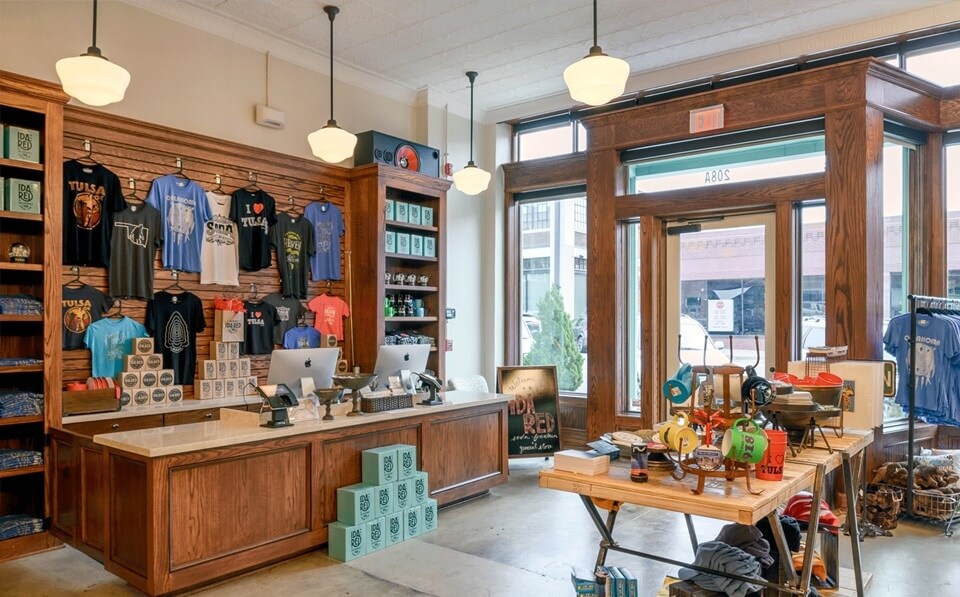
Retail spaces today are more than places to display products they are environments that shape how customers feel, move, and interact with a brand. In Tulsa’s evolving retail landscape, thoughtful architectural design plays a critical role in attracting customers, encouraging engagement, and ultimately driving sales.
Whether you are developing a boutique storefront, a restaurant, or a larger retail space, the design must go beyond aesthetics. It must support customer behavior, reflect brand identity, and function efficiently for daily operations. Successful retail architecture combines strategy, creativity, and technical expertise to create spaces that leave a lasting impression. At Lilly Architects, we work with business owners and developers across Tulsa to design retail environments that are both visually compelling and highly functional.
Understanding Customer Behavior in Retail Design
Effective retail design begins with understanding how customers interact with space. From the moment someone approaches your storefront to the time they leave, every step of their journey is influenced by design.
Architects consider how customers enter, where their attention is drawn, how they move through the space, and where they are likely to pause. These patterns influence layout decisions, product placement, and circulation paths. Designing with customer behavior in mind helps create a more intuitive and engaging shopping experience.
Creating a Strong First Impression
The exterior of a retail space is often the first point of interaction with customers. Storefront design, signage, materials, and lighting all contribute to how a brand is perceived. A well-designed façade creates visual interest and communicates the identity of the business.
Transparency through windows, welcoming entrances, and thoughtful detailing help draw customers inside. In Tulsa’s competitive retail environment, a strong first impression can make a significant difference in attracting foot traffic.
Designing Layouts That Encourage Movement
Interior layout plays a major role in how customers navigate a retail space. Clear circulation paths help guide movement, while strategic placement of displays encourages exploration. A well-planned layout avoids congestion and allows customers to move comfortably through the space.
It also ensures that key products and focal points are positioned where they are most visible. Architects design layouts that balance openness with structure, creating a flow that feels natural and engaging.
Lighting as a Design Tool
Lighting is one of the most powerful elements in retail architecture. It influences how products are perceived, how spaces feel, and how long customers stay. Natural light can create an inviting atmosphere, while artificial lighting highlights specific products and areas.
Layered lighting strategies combine ambient, task, and accent lighting to create depth and visual interest. In Tulsa, where natural light is abundant, careful planning ensures spaces feel bright without causing glare or discomfort.
Reflecting Brand Identity Through Design
Retail architecture should reflect the identity and values of the brand. Materials, colors, textures, and spatial organization all contribute to how a brand is experienced. A cohesive design helps create a memorable environment that aligns with the business’s message.
Whether the goal is modern, minimal, warm, or high-end, architectural design plays a key role in expressing that identity. Consistency between branding and physical space strengthens customer recognition and trust.
Balancing Aesthetics with Functionality
While visual appeal is important, retail spaces must also function efficiently. Staff circulation, storage areas, checkout locations, and service zones must all be integrated into the design. A successful retail space supports both the customer experience and daily operations.
Efficient layouts help staff work effectively while maintaining a clean and organized environment. Architects ensure that functionality and aesthetics work together seamlessly.
Adapting to Changing Retail Trends
Retail design continues to evolve as customer expectations change. Many businesses are incorporating flexible spaces that can adapt to different uses, such as events, pop-ups, or seasonal displays.
Technology integration is also becoming more common, with digital displays, interactive elements, and online order pickup areas influencing design decisions. Designing with flexibility in mind helps ensure the space remains relevant as business needs change.
Navigating Zoning and Building Requirements in Tulsa
Retail projects in Tulsa must comply with local zoning regulations, building codes, and accessibility requirements. These regulations influence building size, parking, signage, and layout. Architects manage these requirements by preparing detailed construction documents and coordinating with city officials during the approval process.
Their knowledge of local regulations helps ensure the project moves forward without unnecessary delays. Proper planning helps prevent compliance issues and keeps the project on schedule.
Coordinating Construction and Implementation
Retail projects often operate on tight timelines, especially when businesses are preparing to open. Coordinating design and construction efficiently is critical to meeting deadlines. Architects work closely with contractors to ensure the design is executed correctly.
They review progress, address questions, and help resolve challenges that arise during construction. This coordination helps maintain quality while keeping the project on track.
Why Local Experience in Tulsa Matters
Designing retail spaces in Tulsa requires an understanding of local market conditions, customer behavior, and construction practices. Architects with local experience are familiar with permitting processes, zoning requirements, and regional design trends.
They also understand how to design for Tulsa’s climate and how to position retail spaces within the local context. This knowledge helps create environments that are both functional and appealing to the community. Working with a local architect provides valuable insight that supports both design and execution.
Final Thoughts
Retail architecture in Tulsa is about more than creating attractive spaces—it is about designing environments that enhance customer experience, support business operations, and drive long-term success. By focusing on customer behavior, thoughtful layouts, lighting, and brand identity, businesses can create spaces that stand out in a competitive market.
Working with an experienced architect ensures your retail space is designed with purpose, built efficiently, and positioned for growth.
Frequently Asked Questions
- What is retail architecture?
Retail architecture focuses on designing spaces that enhance customer experience and support business operations. - Do I need an architect for a retail space in Tulsa?
Yes. Most retail projects require architectural drawings for permits and benefit from professional design and planning. - How does design impact customer experience?
Layout, lighting, and overall design influence how customers move through the space and interact with products. - Can retail spaces be designed to adapt over time?
Yes. Flexible design allows spaces to evolve as business needs and trends change. - How long does it take to design a retail space?
Timelines vary depending on size and complexity, but early planning helps ensure a smoother process.