
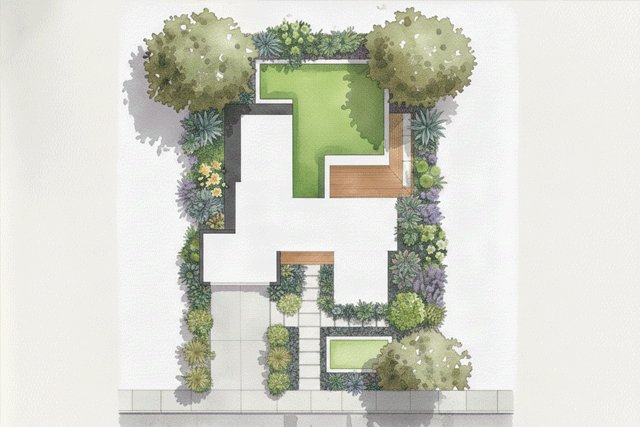
As urban neighborhoods continue to grow and land becomes more limited, small lot home architecture is becoming an increasingly popular solution. Designing a home on a compact site presents unique challenges, but it also opens the door to creative, efficient, and highly personalized spaces. With the right architectural approach, even a small lot can support a home that feels open, functional, and visually striking.
At Lilly Architects, we believe that great architecture is not defined by size, but by thoughtful design. Small lot homes, when carefully planned, can deliver just as much comfort, style, and long-term value as homes built on larger properties.
Understanding the Challenges of Small Lot Design
Small lot projects require a high level of precision. Limited square footage, zoning restrictions, setbacks, and privacy concerns all play a role in shaping the design. Without careful planning, compact homes can feel cramped or disconnected from the outdoors. However, when these constraints are treated as design opportunities, they inspire innovative solutions that maximize both space and livability.
Architects working on small lot homes must consider building orientation, vertical space, natural light, and circulation more carefully than ever. Each decision has a direct impact on how the home feels and functions.
Smart Space Planning Makes a Big Difference
The key to successful small lot architecture lies in efficient space planning. Every room must serve a clear purpose, and wasted space is minimized. Open layouts allow rooms to flow naturally into one another, creating a sense of openness even when square footage is limited. Strategic placement of walls, staircases, and built-in storage helps maintain visual clarity while supporting daily activities.
By designing multi-functional areas that adapt to changing needs, small homes can remain flexible and comfortable for years to come.
Building Vertically to Maximize Living Area
When horizontal space is limited, vertical design becomes essential. Multi-story layouts allow homeowners to increase usable living space without expanding the home’s footprint. Thoughtfully designed staircases, loft spaces, and double-height ceilings add architectural interest while improving circulation and spatial experience.
Vertical design also helps separate public and private areas, offering greater privacy and functionality within a compact structure.
Natural Light Creates the Illusion of Space
Natural light plays a crucial role in making small homes feel larger. Large windows, skylights, clerestory openings, and light wells introduce daylight deep into the interior. When combined with light-colored finishes and reflective surfaces, these elements help spaces feel open and inviting.
Architects carefully position windows to balance light, privacy, and energy efficiency, especially in dense neighborhoods where homes are close together.
Indoor–Outdoor Connections Expand Living Space
Even on a small lot, outdoor areas can become an extension of the home. Courtyards, balconies, rooftop terraces, and compact patios provide valuable outdoor living space without requiring large yards. When indoor spaces connect seamlessly to these outdoor areas, the home feels larger and more versatile.
In Tulsa’s climate, thoughtfully designed outdoor spaces allow homeowners to enjoy fresh air and natural surroundings throughout much of the year.
Creative Storage Solutions Reduce Clutter
Storage is one of the biggest challenges in compact homes. Custom cabinetry, built-in shelving, under-stair storage, and multi-purpose furniture all help reduce clutter while keeping the home organized. By integrating storage directly into the architecture, designers ensure that every inch of the home works efficiently.
Well-designed storage supports both aesthetics and functionality, helping small homes feel calm and uncluttered.
Exterior Design Makes a Strong First Impression
Small lot homes often sit close to the street or neighboring properties, making exterior design especially important. A well-proportioned façade, thoughtful material selection, and carefully placed windows help create visual interest and curb appeal. Clean lines, balanced proportions, and high-quality materials ensure that the home feels intentional rather than constrained.
Architectural details such as recessed entries, vertical elements, and layered materials can give small homes a bold and memorable presence.
Energy Efficiency Matters Even More in Small Homes
Small lot homes benefit greatly from energy-efficient design. Proper insulation, high-performance windows, and efficient HVAC systems reduce operating costs while improving comfort. Passive design strategies such as shading, cross-ventilation, and building orientation help regulate temperature naturally.
Sustainable design not only lowers utility bills but also enhances the long-term performance and value of compact homes.
Designing for Long-Term Flexibility
Small homes must work harder to support changing lifestyles. Architects design flexible spaces that adapt over time, allowing homeowners to reconfigure rooms as needs evolve. Whether accommodating a growing family, a home office, or future accessibility requirements, thoughtful planning ensures the home remains functional well into the future.
Final Thoughts
Small lot home architecture proves that size doesn’t define quality. With intelligent planning, creative design, and expert execution, compact sites can support homes that feel open, comfortable, and uniquely expressive.
At Lilly Architects, we specialize in transforming constraints into opportunities. If you’re considering building on a small lot in Tulsa or anywhere in Oklahoma, our team can help you design a home that makes a big impact—both visually and functionally—no matter the size of the site.
Frequently Asked Questions
- Are small lot homes more expensive to design?
Not necessarily. While compact homes require careful planning, their smaller size can reduce overall construction and material costs. Design complexity, rather than size alone, determines cost. - Are small lot homes more expensive to design?
Not necessarily. While compact homes require careful planning, their smaller size can reduce overall construction and material costs. Design complexity, rather than size alone, determines cost. - Can small homes feel spacious?
Yes. Through open layouts, vertical design, natural light, and strong indoor–outdoor connections, small homes can feel much larger than their square footage suggests. - Do small lot homes have good resale value?
Well-designed small homes often have strong resale value, especially in urban or in-demand neighborhoods where land is limited. - Are small lot homes energy efficient?
Yes. Smaller footprints are often easier to heat and cool, and energy-efficient design strategies further enhance performance and comfort. - Is a small lot home suitable for families?
With thoughtful planning, small homes can comfortably accommodate families by prioritizing flexibility, storage, and efficient layouts.