
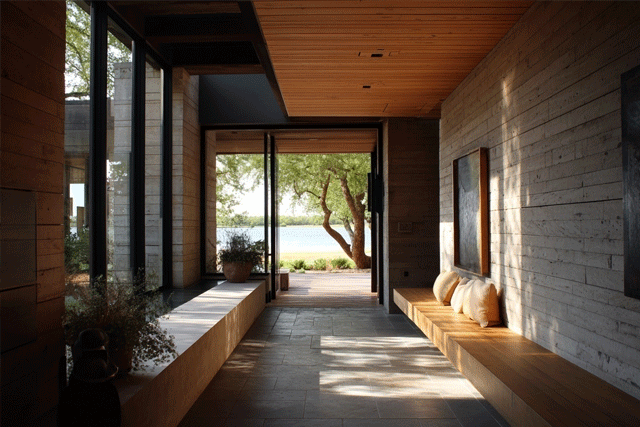
Residential architecture is constantly evolving, shaped by changes in lifestyle, technology, sustainability, and the way people want their homes to function. Whether you’re building a new home, renovating an existing one, or simply exploring ideas for the future, understanding the latest architectural trends can help you make more informed design decisions. In recent years, homeowners in Tulsa and across Oklahoma have increasingly gravitated toward designs that prioritize flexibility, comfort, energy efficiency, and a stronger connection to the outdoors.
At Lilly Architects, we see firsthand how residential design is shifting. Homeowners are looking for spaces that meet today’s needs while adapting to tomorrow’s possibilities. Below are the residential architecture trends that are shaping how people live today and will continue influencing home design for years to come.
Flexible, Multi-Purpose Spaces
One of the biggest trends in residential architecture is the demand for flexible spaces that can evolve with changing lifestyles. Rather than designing rooms with a single purpose, homeowners now prefer areas that can function as a home office, guest bedroom, fitness area, or study space depending on the moment. This shift became especially prominent as remote work increased, but it extends beyond work needs. Families want homes that adapt as children grow, as hobbies change, or as aging-in-place needs arise. Flexible design helps homeowners get the most value from every square foot of their home.
Stronger Indoor–Outdoor Connections
Another trend that continues to gain momentum is the desire for seamless indoor–outdoor living. Large sliding or folding glass doors, covered patios, screened porches, and outdoor kitchens all help blur the line between interior spaces and natural surroundings. Homeowners want easier access to fresh air, natural light, and outdoor relaxation areas. In Oklahoma, where seasonal enjoyment is a big part of daily life, architectural designs that extend living areas outdoors create more opportunities for comfort and entertainment throughout the year.
Sustainable and Energy-Efficient Design
Sustainability has moved far beyond a buzzword it is now a core component of residential architecture. Homeowners are increasingly prioritizing energy efficiency, low-maintenance materials, and systems that reduce environmental impact. This includes improved insulation, smart HVAC zoning, high-performance windows, passive solar design, and durable materials that withstand Oklahoma’s climate. As utility costs continue to rise, energy-efficient homes provide long-term savings while enhancing comfort and reducing a household’s environmental footprint. Architects play a key role in integrating these features without compromising aesthetics or functionality.
Open, Light-Filled Interiors
Open-concept design is still popular, but the trend has evolved. Homeowners want open spaces, but with thoughtful zoning that allows each part of the home to maintain its own identity. The use of natural light is a major part of this shift. Oversized windows, clerestory openings, skylights, and glass walls help brighten interiors and make spaces feel larger and more inviting. Homes that incorporate natural light not only look better but also contribute to improved mood, reduced energy use, and a stronger connection to nature.
Minimalist and Clean Architectural Lines
A growing number of homeowners are embracing minimalist architecture — not necessarily for aesthetic reasons alone, but because simplicity enhances both function and maintenance. Clean lines, uncluttered layouts, hidden storage, and restrained material palettes help create calm, visually organized homes. This design approach reduces unnecessary detailing and focuses on the beauty of form, proportion, and materials. For many, minimalist architecture provides a respite from the busyness of everyday life.
Smart Home Integration
Technology continues to influence how homes are designed and experienced. Smart home systems — once considered luxury upgrades — are now expected features. Homeowners are integrating automated lighting, smart thermostats, security monitoring, motorized shading, and whole-home sound systems into their architectural planning from the start. When technology is incorporated early in the design process, it blends seamlessly into the home rather than feeling like an afterthought. Smart homes offer convenience, efficiency, and added security that enhance everyday living.
Natural and Sustainable Materials
There is a renewed interest in natural materials such as wood, stone, clay, and organic textiles. These materials add warmth, character, and texture to modern homes, providing balance for minimalist or contemporary layouts. Sustainable or recycled materials are also becoming more common as homeowners look for ways to reduce their environmental impact without sacrificing quality or aesthetics. The blending of natural materials with clean architectural lines creates homes that feel modern yet grounded in nature.
Timeless Exteriors with Modern Touches
Exterior architecture is shifting toward timeless designs that incorporate modern conveniences and subtle contemporary elements. Some homeowners are drawn to familiar forms — such as pitched roofs or symmetrical facades — but paired with modern window designs, simplified detailing, and updated materials. This approach results in homes that feel both classic and current. It also enhances long-term resale value, as timeless exteriors tend to appeal to a broader range of future buyers.
Spaces Designed for Well-Being
As people spend more time at home, there is a greater emphasis on designs that support mental and physical well-being. Quiet reading nooks, spa-like bathrooms, fitness rooms, meditation spaces, and improved acoustic planning are all elements appearing more frequently in residential designs. The goal is to create a home that nurtures peace, clarity, productivity, and relaxation.
Final Thoughts
Residential architecture is undergoing an exciting evolution. Today’s homeowners want homes that are flexible, sustainable, filled with natural light, and deeply connected to indoor–outdoor living. Whether you prefer a clean modern aesthetic or a style rooted in timeless tradition, the newest architectural trends focus on enhancing how people actually live.
At Lilly Architects, we work closely with clients to design homes that reflect their lifestyles and anticipate future needs. Whether you’re building new or renovating your current space, staying informed about the latest trends can help you create a home that is functional, beautiful, and built for the future.
Frequently Asked Questions
Are architectural trends important when designing a new home?
Trends help identify what modern homeowners value most, such as efficiency, natural light, and flexible spaces. They guide decisions but should always be adapted to your personal lifestyle and long-term goals.
Do trend-driven designs go out of style quickly?
Not necessarily. Many current trends including sustainability, minimalism, and natural materials — are long-term shifts rather than short-lived fads.
Is modern architecture more expensive than traditional styles?
Costs vary depending on materials, structural requirements, and level of customization. Both modern and traditional designs can be completed within a wide range of budgets.
Can older homes be updated to match current trends?
Yes. Many trends, such as improved lighting, better energy efficiency, and flexible spaces, can be incorporated into renovations without altering the home’s core character.
How do I know which trends fit my home best?
An architect can help you evaluate your needs, lifestyle, budget, and property conditions to determine which trends add the most long-term value to your home.